

214 Waller Ave
Greenwood, SC 29646

Beyond a Vision Screening: Why Kids Need Comprehensive Eye Exams in Newberry, SC
Beyond a Vision Screening: Why Kids Need Comprehensive Eye Exams in Newberry, SC
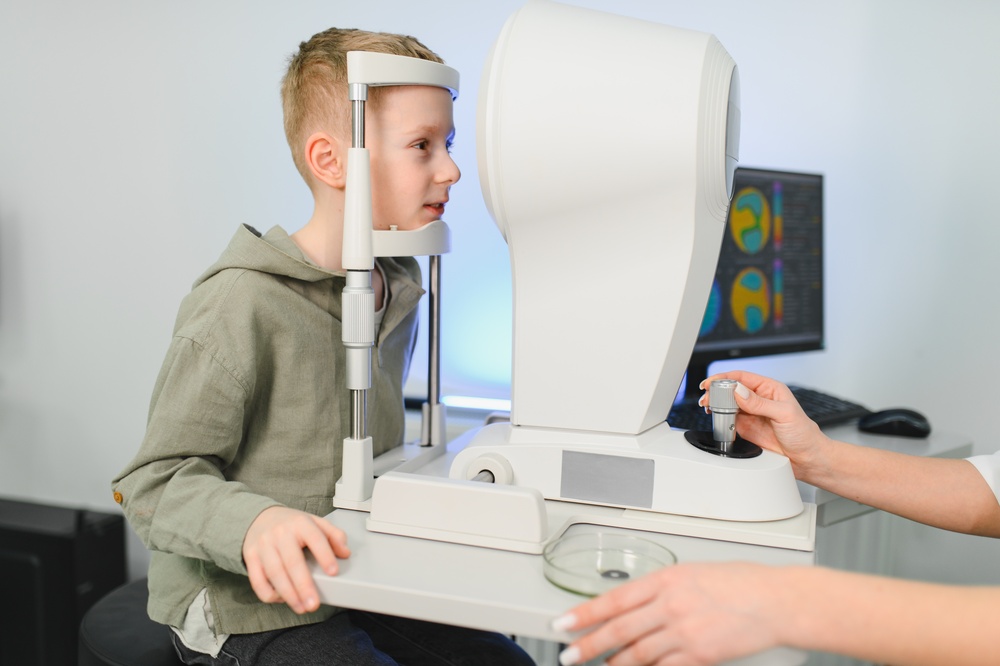
School and pediatrician vision screenings can be a helpful starting point, but they are not the same as a comprehensive pediatric eye exam. A screening is usually designed to catch obvious vision concerns, such as difficulty seeing letters at a distance. While that information matters, it does not always show how well a child’s eyes focus, work together, track while reading, or support learning throughout the day.
For families in Newberry, SC, comprehensive eye exams give parents a clearer understanding of their child’s vision and overall eye health. Children may not always know how to explain blurry vision, eye strain, or trouble focusing, so routine exams can help identify issues before they affect school, sports, or everyday activities.
Why Children’s Eye Health Matters for Learning
A child uses their eyes constantly in the classroom. Reading, writing, working on a computer, looking at a board, and shifting focus from near to far all require strong visual skills. When the eyes are not working comfortably, a child may seem distracted, tired, frustrated, or less interested in schoolwork.
Some vision problems can look like attention or learning struggles. A child may avoid reading, lose their place often, hold books very close, or complain that words are blurry. Others may squint, tilt their head, close one eye, or struggle during sports and play. A comprehensive eye exam helps determine whether vision is part of the problem.
When Should Kids Have an Eye Exam?
Parents often ask when children should first have their eyes checked. A child should have an initial screening between 6 and 12 months of age, followed by routine eye health and vision screenings throughout childhood. Unless otherwise recommended, exams should continue every two years until age 18.
Newborns may also need an eye evaluation, including a red reflex test, especially if they were premature, have medical risk factors, show signs of an eye concern, or have a family history of serious childhood vision disorders. Around ages 3 to 3½, children should be assessed for visual acuity and eye alignment. By school age, vision and alignment checks are especially important because nearsightedness, or myopia, commonly appears during this stage.
What a Comprehensive Pediatric Eye Exam Can Detect
A children’s eye exam can evaluate more than whether a child sees clearly. It can help detect concerns that may affect comfort, development, and performance.
Common issues a pediatric eye exam may identify include:
- Nearsightedness, farsightedness, or astigmatism
- Eye alignment concerns, including strabismus
- Lazy eye, also called amblyopia
- Focusing or tracking problems
- Eye health concerns that need monitoring
- Vision changes that may affect reading, school, or sports
Finding these concerns early can make treatment more effective and help children feel more confident in and out of the classroom.
Signs Your Child May Need an Eye Exam
Some children show clear signs of vision problems, while others adjust their behavior without realizing anything is wrong. Parents may want to schedule a comprehensive eye exam if their child squints, complains of headaches, avoids close-up tasks, loses interest in reading, or has trouble concentrating during visually demanding activities.
Even if there are no symptoms, routine pediatric eye exams are still important. Children’s eyes can change quickly as they grow, and regular care helps make sure their vision is supporting their development.
Supporting Clear Vision as Kids Grow
A comprehensive eye exam gives families more than a prescription. It provides insight into how a child’s eyes are developing, how their vision supports school and activities, and whether any treatment or monitoring is needed. For children, this can make a meaningful difference in comfort, confidence, and long-term eye health.
To schedule a pediatric eye exam, contact Johansen Precision Eye Care in Newberry, SC by calling (803) 276-6959.
© 2026 Johansen Precision Eye Care. All rights Reserved - Accessibility Statement - Privacy Policy - SMS Terms of Service - Sitemap
Powered by
